
Houston,
we have shrimps.
Hand-raised in stable, healthy aquariums — shipped straight to your door.
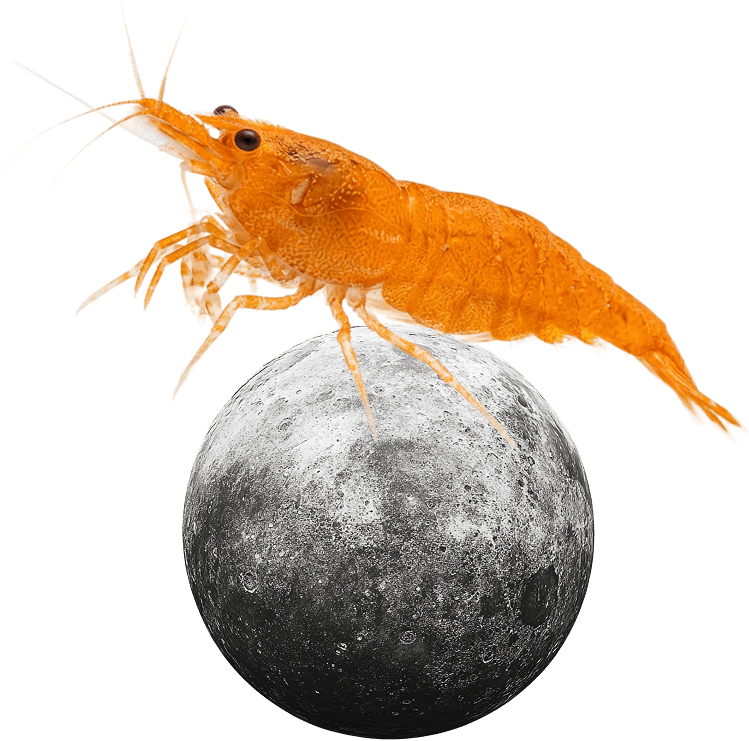
29.7604° N, 95.3698° W
- Live Arrival Guarantee
- Direct from Our Tanks
- Weather-Safe Shipping
- Snail & Parasite Free
- Family Owned
ABOUT US
Houston's Own Shrimp Specialists
At Space City Shrimp, we raise every shrimp ourselves in fully planted, stable aquariums right here in Houston, TX. No middlemen, no mystery sources — just healthy, vibrant shrimp bred with care and shipped with confidence.
Stellar Quality • Cosmic Service
SHOP
Shop Our Most Popular Shrimp
Free 2 day shipping on orders over $150

HOW WE DO
Why choose us?
Premium,
Tank-Bred Shrimp
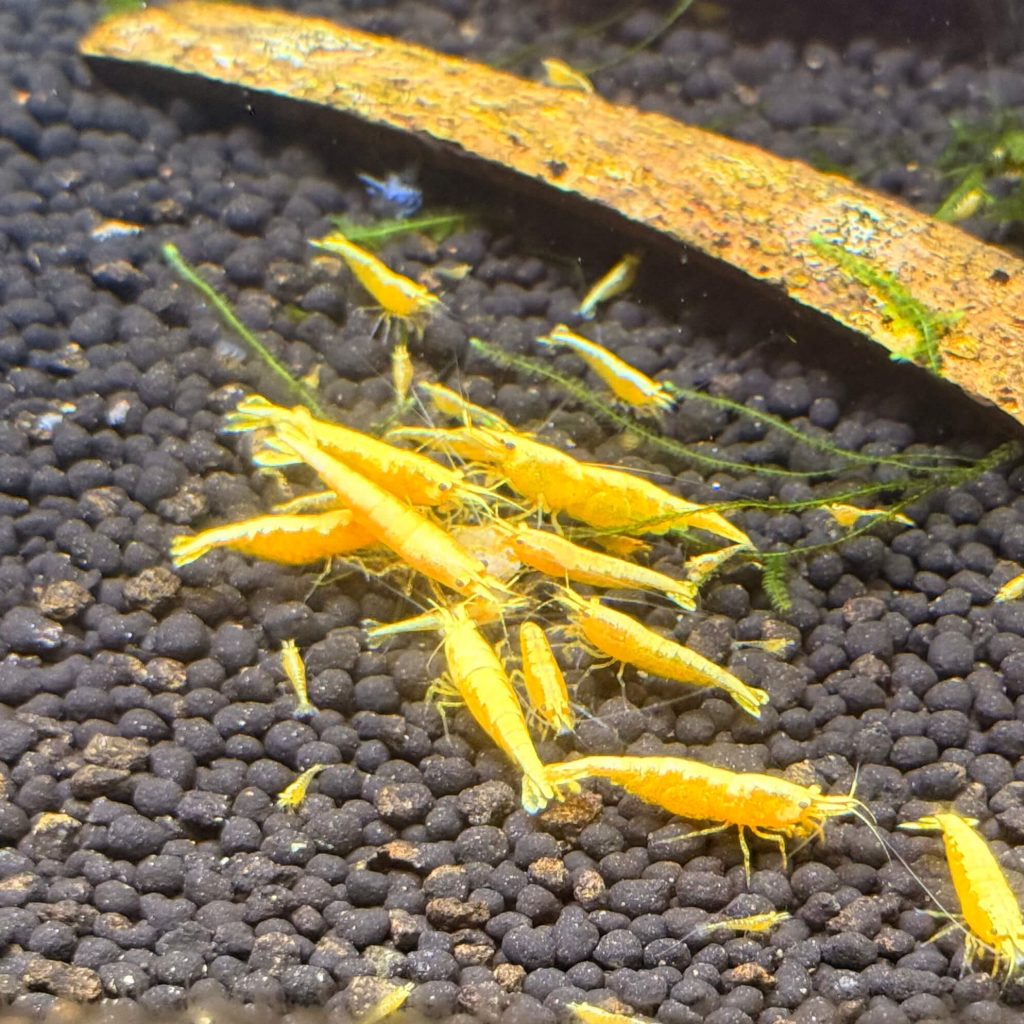
Every shrimp is raised in ideal, stable water parameters and nourished with a nutrient-rich diet to promote brilliant coloration, strong molting, and lasting vitality.
Live Arrival
Guarantee
We stand behind every shipment with our ironclad live arrival promise—if anything goes wrong during transit, we’ll promptly make it right.
Snail, Parasite &
Disease Free
Our shrimp live happy and healthy in our homegrown, fully planted aquariums. Absolutely no snails, parasites, or diseases — guaranteed.
Weather-Conscious
Shipping
Weather-Conscious
Shipping
Diverse & Carefully
Chosen Selection
Personalized
Customer Support
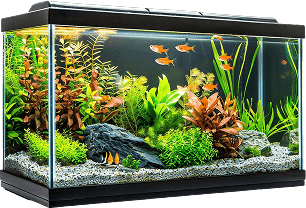
Building a Thriving Ecosystem
PRODUCTS
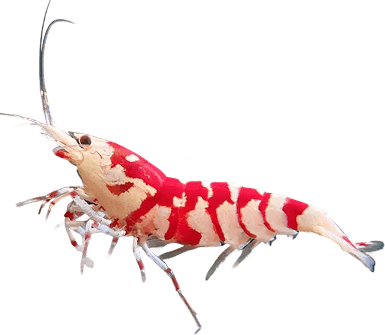
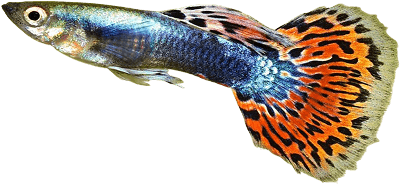
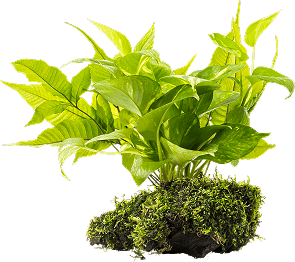
Explore Our Collection
TESTIMONIALS
What Our Customers Are Saying
Tyler Reagan from Alaska
April 2026
Marco M from Georgia
April 2026
BLOG
Care Guides & Expert Tips
Learn from our experience raising and breeding premium aquarium shrimp
Breeding
Breeding
Breeding Neocaridina: A Complete Guide
Discover the secrets to successful shrimp breeding. Tips on colony management, selective breeding, and maintaining vibrant colors.
Water Chemistry
Water Parameters for Healthy Shrimp
Master the science of water chemistry. Learn about pH, GH, KH, TDS and how they affect your shrimp’s health and […]
Care Guides
Setting Up Your First Shrimp Tank
Setting up your first shrimp tank can be an exciting and rewarding experience. To create the perfect environment for your […]
FAQs
We package every order with care to ensure your guppies and shrimp arrive not only alive, but also active and healthy.
All orders are shipped with temperature resistant insulation, breather/oxygenated bags, live moss/netting, and clear “live fish” labeling to achieve unbeatable reliability.
We offer a variety of express shipping options for our more fragile species and are always committed to reducing stress for both you and your new friends!
All livestock is guaranteed to arrive alive.
- You must be home to receive the package on the first delivery attempt. Track your shipment to ensure you’re available.
- Shrimp, snails, and plants: All shipping methods are covered.
- Live fish: Only express shipping (FedEx 2-day or faster) is covered.
DOA Claims
- Report any Dead On Arrival (DOA) within 1 hour of the carrier’s reported delivery time.
- Submit clear photos and videos of the unopened bag within 1 hour of delivery.
- Refusing the package may void the guarantee.
If a valid DOA claim is approved, you may choose a refund (shipping costs are non-refundable) or a reshipment.
We pack every order with extreme care, as if we were receiving it ourselves.
Questions? Contact us anytime — we respond quickly and are happy to help!
Stability is critical — avoid sudden changes in pH, temperature, or hardness.
Neocaridina Shrimp (e.g., Bloody Mary, Blue Dream, Green Jade)
More beginner-friendly and adaptable.
-
Temperature: 65–78°F (18–26°C)
-
pH: 6.5–8.0 (ideal 6.8–7.6)
-
GH: 4–14 dGH (best 6–11)
-
KH: 2–8 dKH
-
TDS: 150–300 ppm
-
Ammonia/Nitrite: 0 ppm
-
Nitrate: <20 ppm (ideally <10–15 ppm)
Caridina Shrimp (e.g., Pure Red Line, Extreme Blue Bolt, Bee shrimp)
More sensitive; usually need RO water remineralized for soft, acidic conditions.
-
Temperature: 68–77°F (20–25°C) — prefer cooler (~70–74°F)
-
pH: 5.5–7.0 (ideal 5.8–6.8)
-
GH: 3–6 dGH (commonly 4–6)
-
KH: 0–2 dKH (often 0–1)
-
TDS: 80–180 ppm (often 100–150 ppm)
-
Ammonia/Nitrite: 0 ppm
-
Nitrate: <10–15 ppm
Key Differences
-
Neocaridina: Tolerate harder water and higher pH.
-
Caridina: Require softer, more acidic water and are less forgiving.
General Tips
-
Use liquid test kits for accuracy (especially GH/KH).
-
Keep ammonia/nitrite at 0 and nitrates low.
-
Provide good oxygenation, hiding spots, and a cycled planted tank.
-
Beginners should start with Neocaridina — they’re far more forgiving.
Let us know your current tank parameters and if you need help adjusting them!
Wait 4–8 weeks before adding shrimp to a new tank. This lets the tank fully cycle (ammonia and nitrite drop to 0 ppm) and mature with biofilm/algae for grazing.
Why wait?
-
Shrimp are very sensitive to parameter swings and need a stable, “seasoned” tank.
-
Low bioload helps, but incomplete cycles or lack of natural food often cause losses.
Timelines
-
Minimum (riskier): 2–4 weeks if heavily planted, seeded with cycled media/snails, and parameters are stable.
-
Safer/ideal: 6–8 weeks (or longer) for beginners or unseeded tanks. Many keepers recommend 3 months for best success.
Before adding shrimp:
-
Test water: Ammonia & nitrite = 0 ppm consistently.
-
Look for biofilm, algae, or healthy plant growth.
-
Do a large water change (50–75%) the day before.
-
Acclimate slowly (drip method, 1+ hours).
If your tank is heavily planted or seeded from an established one, you might add sooner—but always test first. Share your setup details (tank size, plants, current tests, shrimp type) for more specific advice!
Yes, you can mix certain shrimp species, but avoid same-genus mixing and watch water parameters closely.
Key Rules
-
Same genus = Avoid (especially Neocaridina): Different colors of Neocaridina (cherry, blue dream, yellow, snowball, etc.) or Caridina (bee, crystal varieties) will interbreed. Offspring often lose vibrant colors and turn dull brown/gray over generations.
-
Different genera = Usually safe from breeding: Neocaridina + Caridina generally won’t hybridize due to reproductive differences. Many keepers mix them successfully for a colorful tank.
Main Challenge: Water Parameters
-
Neocaridina: Prefer pH 6.8–8.0, higher GH/KH (6–12+ dGH), temp 68–78°F (20–26°C). More forgiving for beginners.
-
Caridina (e.g., crystals, bees): Prefer softer/acidic water (pH 5.5–6.8, low GH 4–6, often with active substrate).
-
Mixing requires a compromise (e.g., neutral pH ~6.8–7.2). One group may not thrive or breed as well; stress or slower growth is common. Not ideal for pure breeding goals.
Recommendations
-
Safest for beginners: Stick to one Neocaridina color (or one Caridina type) + non-breeding companions like Amano shrimp, ghost shrimp, or bamboo shrimp.
-
Provide dense plants, moss, and hiding spots to reduce competition.
-
Monitor closely; aggression is rare, but larger shrimp can occasionally bother dwarfs.
Signs your shrimp are healthy:
Appearance
- Vibrant, consistent color: Deep, rich hues from head to tail (e.g., bright red for cherries, opaque black for blacks). Faded, pale, or patchy color often signals stress or poor water quality.
-Clear, clean body: No white milky patches (especially in tail/muscles), dark spots, lesions, fungus, or growths on the shell.
-Full, rounded body — not shrunken or hollow-looking.
Behavior & Activity
-Active grazing: Constantly foraging on surfaces, glass, plants, and biofilm. They should swarm food quickly when added.
-Normal movement: Calm cruising and exploring; occasional hiding is fine, but not constant seclusion or erratic “zooming” swimming.
-Social & curious: Out and about during the day, interacting with the tank environment.
Molting & Growth
-Regular successful molts: You’ll find empty, transparent exoskeletons (leave them — shrimp often eat them for minerals). Post-molt shrimp recover quickly and harden up.
-Breeding activity: Females carrying eggs (saddles/berries) and presence of tiny shrimplets are excellent signs of a thriving colony.
Other Positive Indicators
-
Good appetite and quick response to food.
-
Stable tank conditions: Low ammonia/nitrite (0 ppm), appropriate parameters for your species, and visible biofilm/microfauna.
Quick red flags for unhealthy shrimp (opposite of above): Lethargy, loss of appetite, hiding excessively, erratic swimming, failed molts (stuck in shell), white/opaque muscles, or sudden deaths.
Tip: Observe daily, especially during/after water changes or feeding. Test water parameters regularly, as most issues stem from instability.
Start with 10–20 shrimp for most new tanks. This is the sweet spot for beginners building a colony.
Why this number?
-Better odds of both sexes – Ensures males and females for breeding (shrimp are hard to sex when young/small).
-Buffer against losses — A few may not survive shipping or acclimation; you’ll still have enough left to start a colony.
- Low risk to tank — Shrimp have a small bioload, so 10–20 won’t overload a properly cycled, planted tank.
Tank size guidelines (starting numbers)
-
5-gallon: 10–20 shrimp
-
10-gallon: 20–40 shrimp
-
20-gallon+ : 40–60 shrimp (or more if well-established)
Long-term, a healthy colony can grow to hundreds (they self-regulate based on space and food), but never add too many at once as it can cause parameter swings or stress.
Get in Touch
Have questions or need advice about our pet shrimps? Reach out to our friendly team anytime—we’re here to help you keep your aquatic friends happy and healthy!
Newsletter
Subscribe to get updates on new arrivals, special offers, care tips, and exclusive deals delivered straight to your inbox.
"*" indicates required fields